Source Closed Cell Foam Mooring Buoy for Boat, Dock, and Port
Compare 29 closed cell foam mooring buoys from verified Chinese manufacturers. Buyers can evaluate specifications like diameter, length, and certifications including BV, DNVGL, and ABS for marine applications. Options feature polyethylene or EVA foam cores with customizable sizes and H.D.G end fittings suitable for various ocean conditions.
Key considerations
Products List



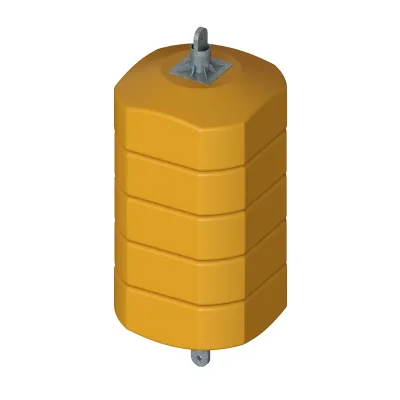


Comprehensive Sourcing Guide
Closed Cell Foam Mooring Buoys Sourcing Guide
Procuring closed cell foam mooring buoys requires a disciplined approach to material verification and structural integrity assessment. Buyers must prioritize suppliers who explicitly confirm the use of high-density polyethylene or EVA foam cores, as these materials provide the necessary buoyancy and resistance to water absorption over long operational lifespans. The observed market data indicates a wide range of customization options, from standard cylindrical shapes to client-specific dimensions, necessitating clear technical drawings during the initial inquiry phase.
It is critical to distinguish between solid foam constructions and hollow alternatives, as the former offers superior impact resistance and uniform flotation characteristics. Sourcing teams should evaluate the skin material, often polyurethane, for its ability to withstand UV degradation and mechanical abrasion in marine environments. Understanding the specific working life expectations, which can range from ten to thirteen years depending on environmental conditions, helps in calculating the total cost of ownership and planning for long-term maintenance cycles.
Product Scope and Observed Listing Signals
The current market landscape for mooring buoys reveals a diverse array of product models, including specific designations like YT-PUB225 and Ever-Cushion, which cater to different operational requirements. Listings frequently highlight customization capabilities, allowing buyers to specify sizes ranging from 0.3m to 3m in diameter and lengths up to 6m. This flexibility is essential for projects requiring precise displacement calculations, ensuring that the buoy can support the intended mooring lines and withstand dynamic loads without excessive submersion.
Packing methods vary significantly across suppliers, with options including thin film protection, nude packing suitable for sea shipment, and plywooden crates for added protection. These variations directly impact logistics costs and handling procedures at the destination port. Buyers should carefully review the packing specifications to ensure that the buoys arrive without surface damage, particularly when selecting suppliers from regions like Taizhou, Jiangsu, or Shandong, China, where manufacturing hubs are concentrated.
Technical Specifications to Verify
Technical due diligence must focus on the core material density and skin composition, as these factors dictate the buoy’s durability and maintenance needs. Suppliers often offer polyethylene foam cores with PU skins in customer-required colors, which aids in visibility and identification. It is vital to verify that the foam is truly closed-cell to prevent water ingress, which can compromise buoyancy and lead to structural failure. Additionally, the inclusion of hot-dip galvanized end fittings is a key feature for corrosion resistance, ensuring that connection points remain secure in saltwater environments.
Dimensional accuracy is another critical parameter, with some products offering specific size ranges such as 1.01.5 to 1.22.0m. Buyers should confirm whether the structure is solid or hollow, as solid constructions are generally lighter and easier to move while providing consistent performance. The working life of these buoys is typically estimated between ten and thirteen years, but this can vary based on the quality of materials and the severity of the marine environment. Clear specifications on weight, which often remain under 1000kg for standard models, are essential for crane and handling equipment planning.
Compliance and Safety Documentation
Regulatory compliance is non-negotiable for marine infrastructure, and buyers must request valid certification documents from recognized classification societies. The observed market includes suppliers offering certifications from BV, LR, DNV GL, ABS, and CCS, which are critical for projects requiring international standards adherence. These certifications validate that the buoys meet specific safety and performance criteria, providing assurance to insurers and regulatory bodies. Buyers should verify the validity and scope of these certificates to ensure they cover the specific product models and materials being procured.
In addition to third-party certifications, factory or TPI (Third Party Inspection) test results provide valuable insights into the manufacturing quality control processes. These tests often include pressure tests, impact resistance assessments, and material composition analysis. Requesting these reports allows procurement teams to verify that the products meet the stated technical specifications before shipment. Ensuring that the documentation is up-to-date and covers the entire production batch helps mitigate risks associated with non-compliant or substandard equipment.
Cost Drivers and Commercial Terms
Pricing for mooring buoys varies widely, with observed ranges from $15 to $50,000, driven by factors such as size, material quality, and certification requirements. Customization plays a significant role in cost determination, as bespoke dimensions and specialized end fittings increase manufacturing complexity. Buyers should anticipate higher costs for buoys with specific color requirements or reinforced structures designed for extreme conditions. Understanding these cost drivers helps in budgeting accurately and negotiating favorable terms with suppliers.
Minimum order quantities (MOQ) typically range from one to ten pieces, offering flexibility for both small-scale repairs and large-scale infrastructure projects. Payment terms and lead times are also critical commercial considerations, with some suppliers offering customized production schedules. Buyers should clarify the warranty period, which is often stated as 24 months, and understand the coverage details. Transparent communication regarding these terms ensures that there are no hidden costs or unexpected delays in the procurement process.
Supplier Qualification and Quality Control
Supplier qualification involves a thorough assessment of manufacturing capabilities and quality management systems. Buyers should prioritize suppliers with a proven track record in producing marine-grade buoys, as evidenced by their certification portfolio and client references. Visiting the manufacturing facility or conducting virtual audits can provide insights into the production processes, including foam molding, skin application, and assembly of end fittings. This due diligence helps ensure that the supplier can consistently deliver products that meet the required technical and safety standards.
Quality control measures should be integrated into the procurement contract, specifying inspection points and acceptance criteria. Buyers may request pre-shipment inspections by independent third-party agencies to verify product conformity. Establishing clear communication channels with the supplier’s quality assurance team facilitates rapid resolution of any issues that arise during production. A robust quality control framework minimizes the risk of receiving defective products and ensures that the buoys perform reliably in their intended marine applications.
Long-Term Procurement Checks
Long-term procurement success depends on establishing a reliable supply chain that can adapt to changing project requirements and market conditions. Buyers should maintain regular communication with suppliers to stay informed about new product developments and material innovations. Building a relationship with a trusted supplier can lead to better pricing, priority production scheduling, and enhanced technical support. This strategic approach ensures that the procurement team can respond quickly to urgent needs or unexpected changes in project specifications.
Regular performance reviews of the supplied buoys in service provide valuable feedback for future procurement decisions. Monitoring factors such as wear and tear, color fading, and fitting integrity helps in assessing the long-term value of the investment. Buyers should document any issues encountered during installation or operation and share this information with the supplier to drive continuous improvement. By maintaining a focus on quality and reliability, organizations can ensure that their mooring systems remain safe and effective throughout their operational lifespan.
FAQs
What materials are used in closed cell foam mooring buoys?
Closed cell foam mooring buoys typically utilize polyethylene foam or EVA foam cores for buoyancy. The outer skin is often made of PU, which can be customized to customer-required colors. Some models also incorporate steel components for structural integrity, ensuring the buoy remains solid yet light for easy handling and long-term marine use.
Can closed cell foam mooring buoys be customized in size?
Yes, customization is available for closed cell foam mooring buoys. Manufacturers offer customized sizes ranging from 0.3m to 3m in diameter and 0.5m to 6m in length. Specific models support standard sizes like 1T to 5T, allowing buyers to select dimensions that precisely match their mooring requirements and vessel specifications.
What certifications are available for closed cell foam mooring buoys?
Closed cell foam mooring buoys can be certified by major classification societies including BV, LR, DNV GL, ABS, and CCS. Some specific models also hold CS and GL certifications. These certifications ensure the buoys meet international marine safety and quality standards, providing buyers with verified reliability for critical mooring applications.
How long do closed cell foam mooring buoys last?
Closed cell foam mooring buoys generally have a working life of 10 to 13 years. This durability is supported by high-density end fittings and protective skins. The long lifespan reduces replacement frequency, making them a cost-effective solution for permanent or semi-permanent mooring systems in various marine environments over extended operational periods.
What is the typical packaging for shipping closed cell foam buoys?
Packaging options for closed cell foam buoys include thin film protection followed by container loading, nude packing suitable for sea shipment, or plywooden packing. Some items are shipped on wooden pallets or with film covers. These methods ensure the buoys remain protected during transit while optimizing space for efficient global logistics and delivery.
What is the minimum order quantity for closed cell foam buoys?
The minimum order quantity for closed cell foam mooring buoys typically ranges from 1 to 10 pieces. Many suppliers offer an MOQ of just one piece, allowing buyers to test quality or order small batches. This flexibility supports both large-scale procurement projects and smaller, specific replacement needs for marine infrastructure.